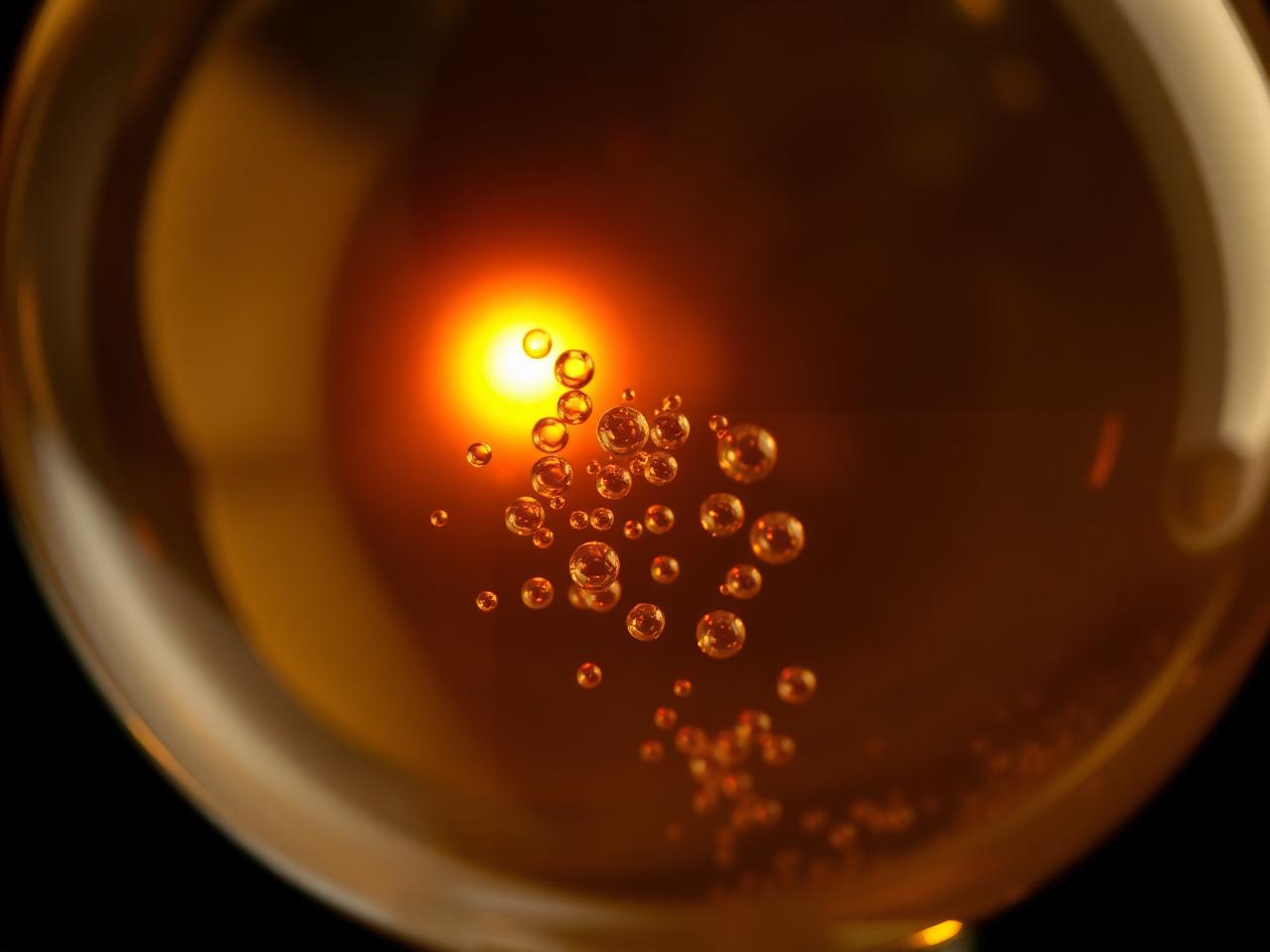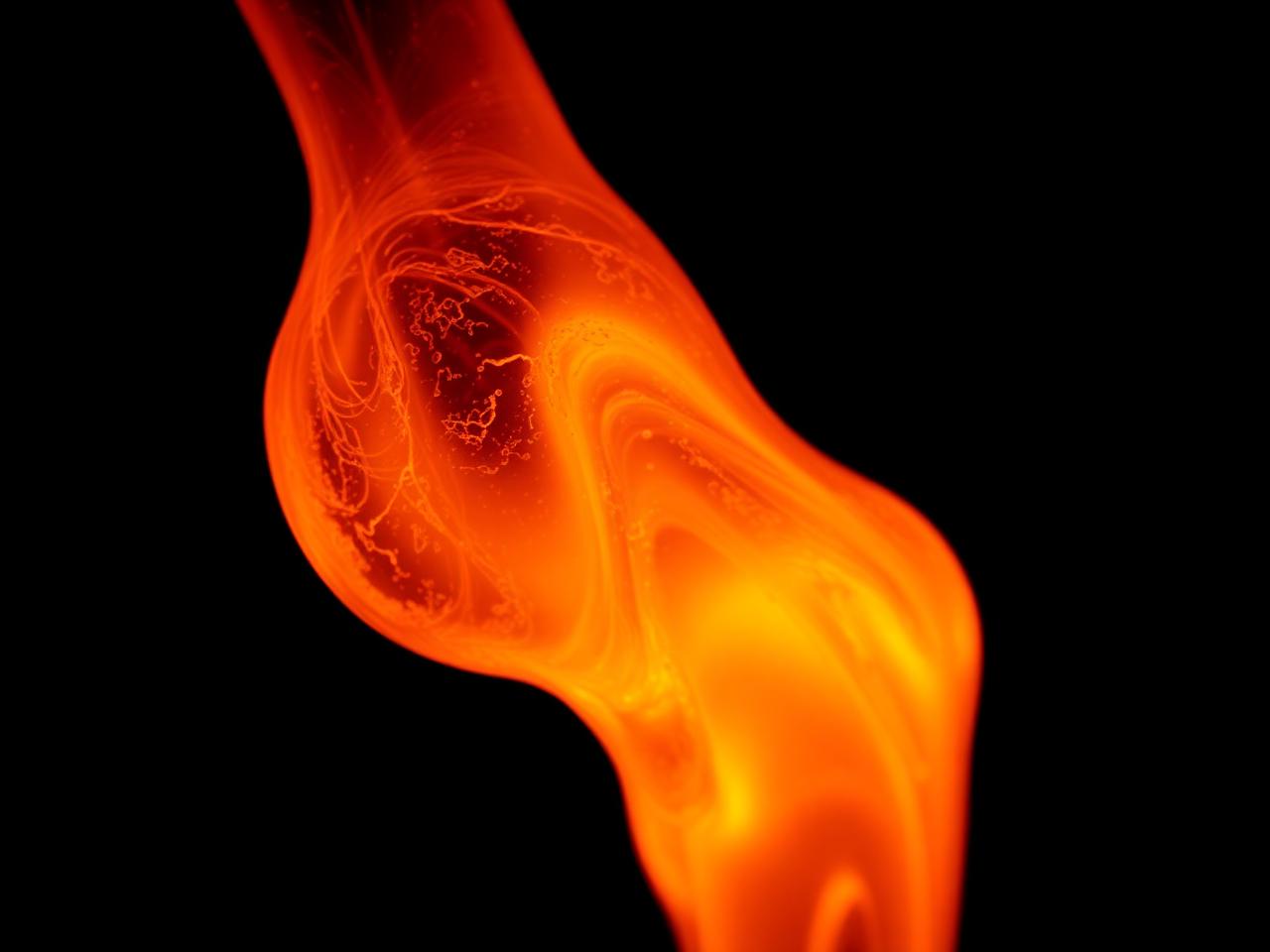
The furnace never sleeps. It holds a tonne of molten glass at 1,200°C through the night so that at six in the morning, when the first gather is taken, the material is as clear and willing as it will ever be.
Glassblowing is often described as a fight with the material. Our masters speak of it differently — as a negotiation conducted in seconds. Too much heat and the form collapses; too little and it refuses. Between those two refusals lies the whole craft.
A sphere for the Aurora chandelier passes through the furnace mouth more than forty times. Each return is a decision: another breath, another turn of the pipe, another moment judged by eye and wrist rather than instrument.
What the furnace gives, the annealing oven keeps. Pieces cool overnight, degree by degree, so the stresses of their making settle into stillness. By morning they are no longer hot glass. They are light, waiting.